Roof Replacement
Roof Replacement
A Complete Roofing System, Backed by a 10-Year Promise.
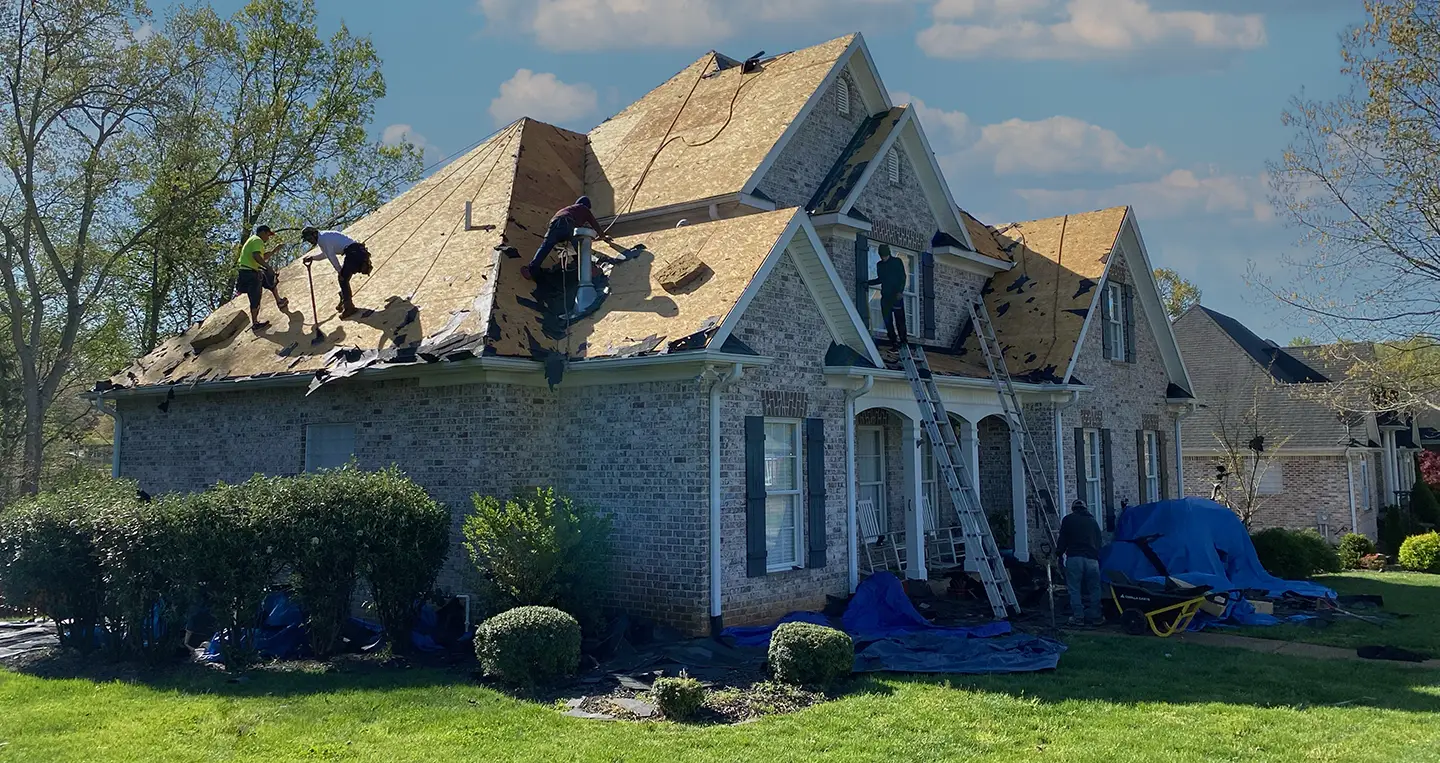
A great roof is more than just what you can see from the driveway—it’s a complete, engineered system. We specialize in full residential tear-offs and replacements using industry-leading products designed for maximum durability.
Why choose us?
-
Unmatched Protection: We use top-tier products with incredible manufacturer warranties. Depending on how you build your roof system, you can even qualify for the industry’s very first no-max-wind-speed warranty.
-
Options for Every Home: From elite GAF systems to other premium materials, we provide choices to fit different budgets and styles without sacrificing quality.
-
On-Site Supervision: Cole is present on every job, ensuring the hidden essentials—like flashing, ventilation, and underlayment—are installed flawlessly.
We don’t cut corners. That’s why we proudly back our work with a personal 10-year workmanship warranty alongside manufacturer guarantees.
Roofing materials we install:
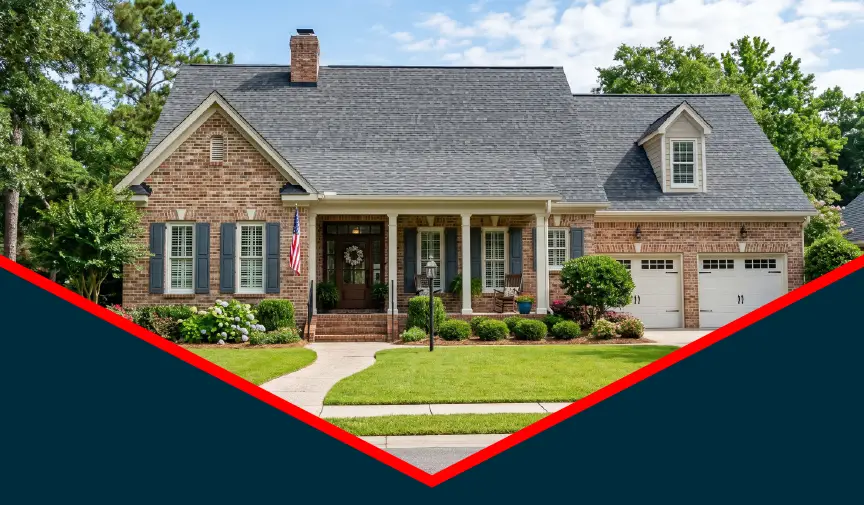
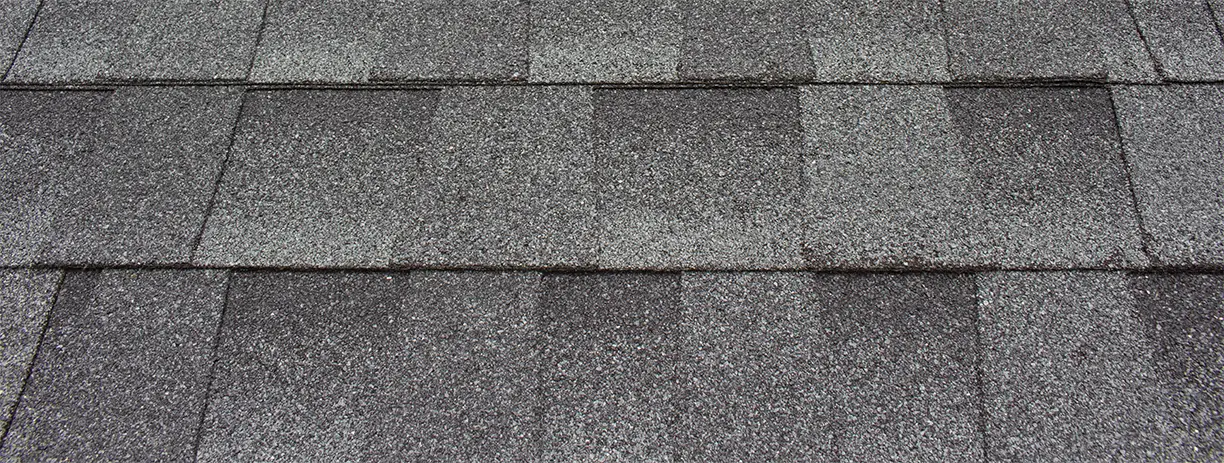
Asphalt Shingles
Dimensional styling meets heavy-duty weather resistance. A beautiful, cost-effective classic engineered to withstand high winds
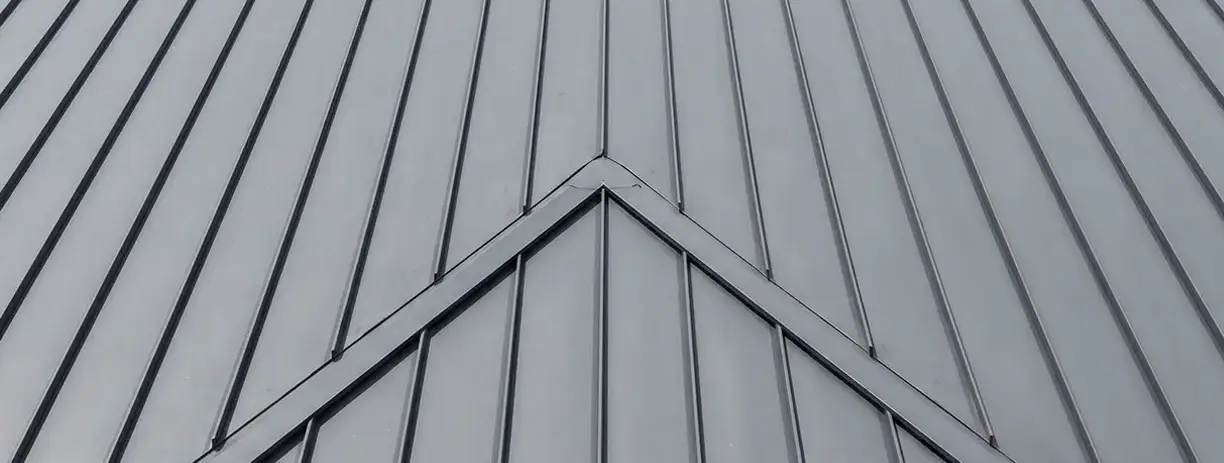
Metal Roofing
The ultimate upgrade for longevity and energy efficiency. Engineered to reflect heat, slash utility bills, and practically last a lifetime.
Frequently Asked Questions
When picking out a new roof, you are essentially balancing three things: your local weather, your target budget, and how long you plan to live in the house. Here is how the top choices stack up:
-
Composition & Asphalt Shingles: This remains the go-to standard for the vast majority of homes. They are incredibly cost-effective and straightforward to install. While basic 3-tab versions generally offer a 15-to-20-year lifespan, upgraded architectural shingles are much thicker and can easily protect a home for upwards of 25 years.
-
Metal Systems: Steel and aluminum roofing have seen a massive surge in demand. Although the initial investment is higher than asphalt, they boast an incredible lifespan of 40 to 75 years. They excel at reflecting solar radiation to keep cooling costs low, stand up beautifully to heavy snow, and offer top-tier fire resistance.
-
Cedar Shingles & Shakes: Perfect for homeowners wanting a traditional, organic aesthetic. Wood offers fantastic natural insulation against the elements. However, they demand routine upkeep to ward off rot and moss, and their use is restricted in certain wildfire-prone zones.
You shouldn’t wait until water is dripping into your living room to realize your roof has failed. Homeowners can catch major issues early by watching out for these critical red flags:
-
The Lifespan Milestone: Age is often the most honest indicator. If an asphalt roof has been protecting your home for over two decades, it is nearing retirement. Even if a 20-to-25-year-old roof looks decent from your driveway, the underlying materials are likely brittle and compromised.
-
Deformed or Warped Shingles: Take a close look at the surface texture of your roof. When shingles begin to warp, cup upward at the corners, or claw in the middle, it means the asphalt has dried out. Once they lose their flat shape, they can no longer seal out wind and rain.
-
Granule Accumulation in Downspouts: Shingles are coated with a gritty, sand-like layer to shield them from intense UV rays. As they age, they shed this grit. If you notice a heavy buildup of dark, coarse debris inside your gutters, your roof is shedding its primary defense system and will degrade quickly.
-
Attic Red Flags (Light and Stains): A quick trip to the attic can reveal hidden vulnerabilities. If you turn off the lights on a bright day and see sunbeams peeking through the roof deck, water is guaranteed to follow. Similarly, dark streaks, moisture rings, or fuzzy mold on the wooden rafters indicate active, ongoing leaks.
-
Visible Drooping or Sagging: A dip or depression along the ridge or slopes of your roof is a major warning sign. This indicates that trapped moisture has compromised the structural integrity of the plywood decking or support trusses, requiring urgent professional attention before a partial collapse occurs.
For an average-sized residential property (roughly 3,000 square feet or less), an experienced roofing crew can typically strip off the old materials and install the new system within one to three days.
However, several variables can extend this schedule. Unfavorable weather like rain or high winds will immediately halt progress for safety reasons. Additionally, the project may take longer if the house features an intricately steep design, or if workers pull up the old shingles only to discover rotted plywood decking underneath that must be repaired first.
When deciding whether to mend a specific issue or opt for a total overhaul, professionals often rely on the 30% guideline. If the wear and tear is localized to a small area—accounting for less than a third of the total surface—and the surrounding roofing is still youthful and intact, a localized fix is typically the smartest and most economical choice.
Conversely, if you find yourself constantly paying for fixes on the same recurring leaks, or if the estimate for a complex repair climbs past 30% of what a brand-new roof would cost, patching is just throwing good money after bad. In those scenarios, starting fresh with a new installation is the more sensible, long-term financial decision.